
Da Nang
About the destination
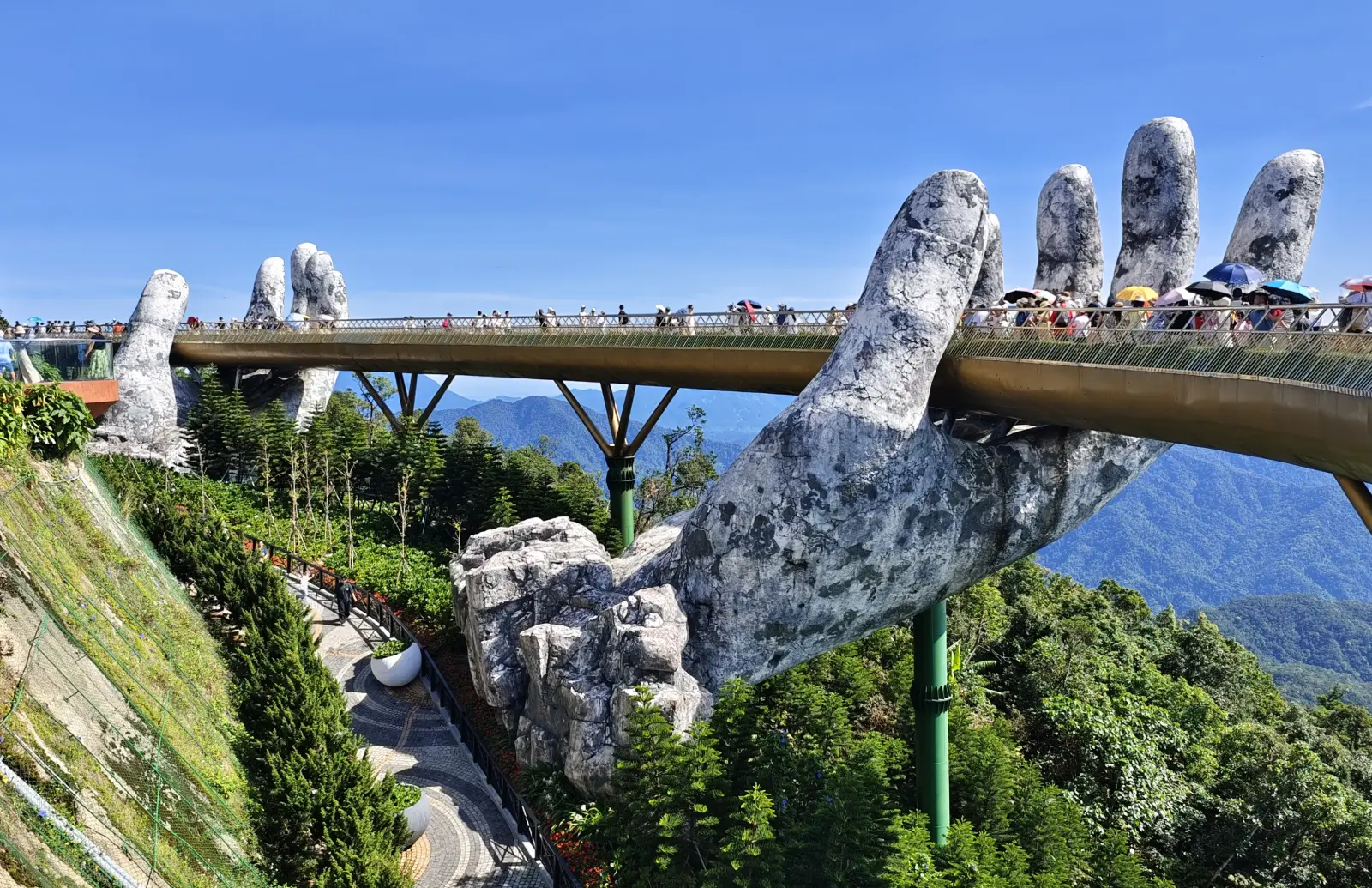
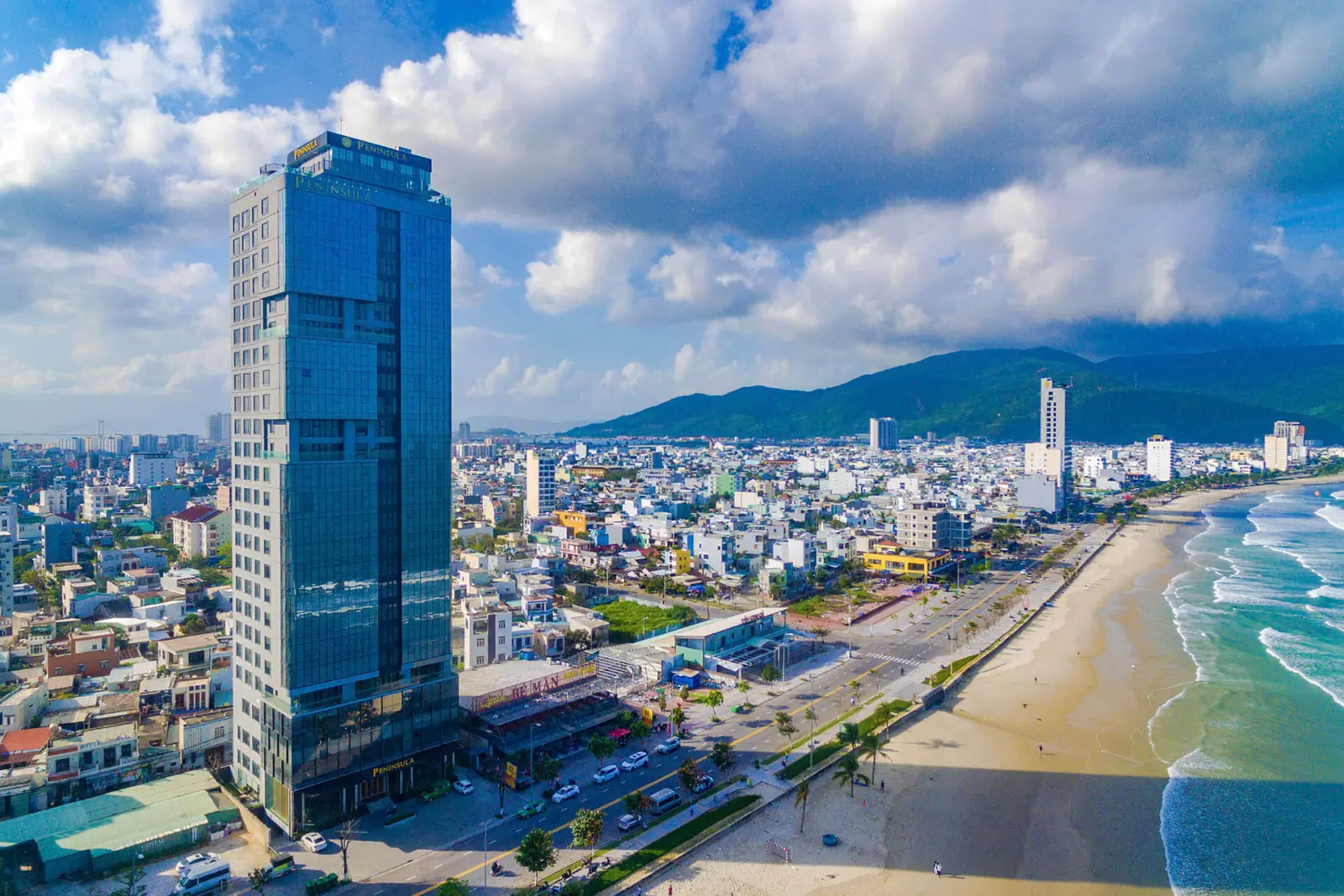
Da Nang is a long stretch of My Khe Beach framed by new hotels, the Golden Bridge on giant stone 'hands' and a convenient base for exploring the heritage of central Vietnam. The city lies on the country's central coast, almost equidistant from Hanoi and Ho Chi Minh City, and is considered the main gateway to Hoi An, My Son and Hue.
Da Nang: attractions
What to see in Da Nang first
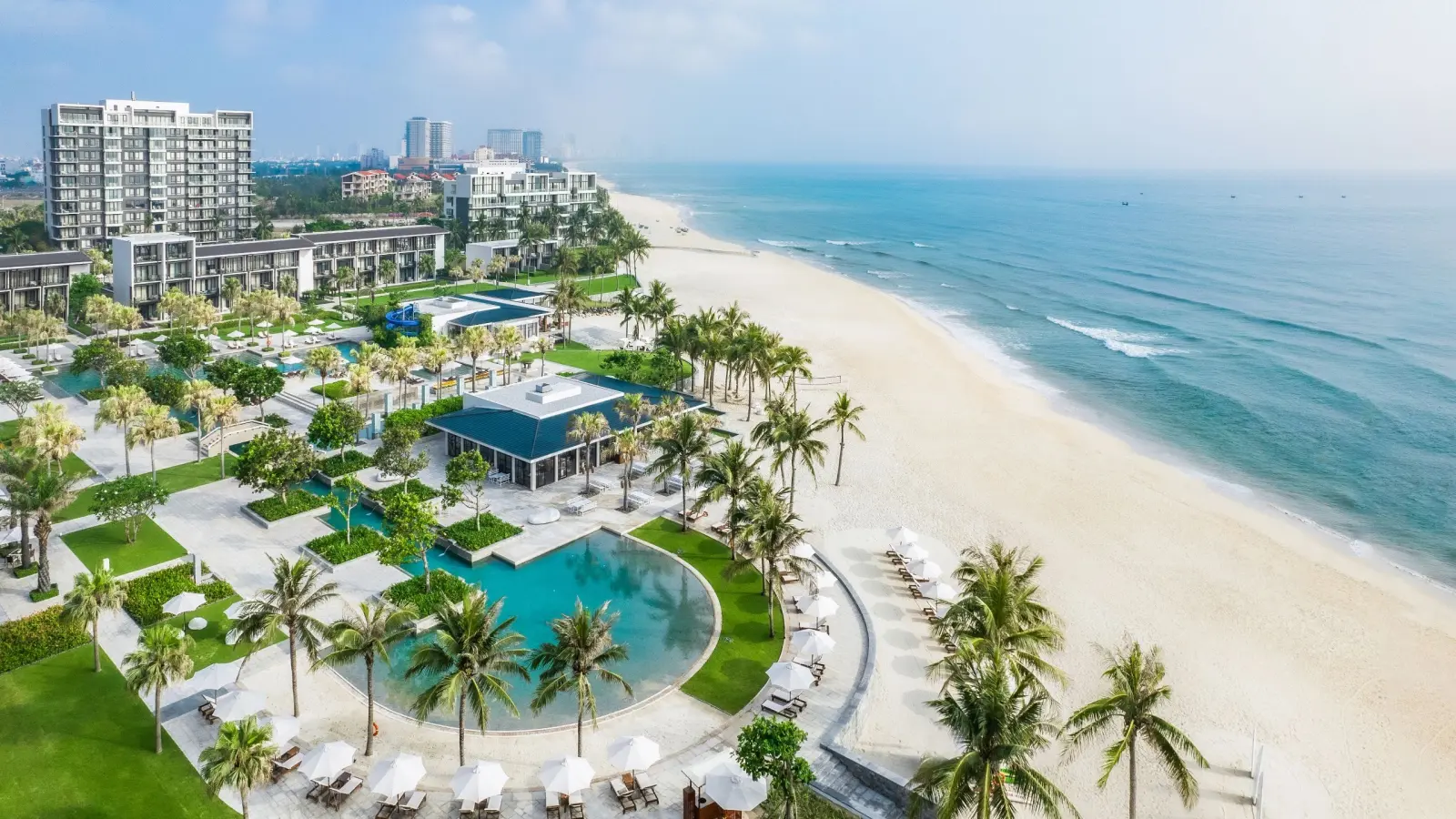
- My Khe Beach — a long sandy strip along the eastern edge of the city, also known as 'China Beach' from the Vietnam War: it stretches south towards Hoi An, with a wall of high-rise hotels and resorts growing along it.
- Golden Bridge (Cầu Vàng) at Ba Na Hills resort — a 150-metre pedestrian bridge supported by two giant stone 'hands'; opened in 2018 and considered one of the most photographed places in the region.
- Marble Mountains (Ngu Hanh Son) — five marble and limestone hills named after the five elements, with caves, tunnels, Buddhist and Hindu grottoes; since 2019 a National Special Relic.
- Dragon Bridge — one of the bridges over the Han River in the city centre and a recognisable symbol of Da Nang.
- Son Tra Peninsula ('Monkey Mountain') — a forested peninsula north of the city, a significant part of which is a nature reserve; it is home to a large share of the critically endangered red-shanked doucs. The Linh Ung Pagoda stands on the peninsula.
- Museum of Cham Sculpture — the world's largest collection of Cham sculpture, dedicated to the Hindu culture of Champa.
- Hoi An — a UNESCO heritage city about 30–45 minutes south of Da Nang.
- Hai Van Pass — a scenic mountain road north towards Hue.
Culture and history
The Da Nang region was the centre of the Hindu state of Champa until the 17th century, when these lands became part of the Vietnamese state; Cham heritage is still visible in temples, sculpture and the museum. Under French colonial rule (1884–1945), the city was called Tourane, and traces of French architecture remain. During the Vietnam War, it was in Da Nang that American combat units first landed, and an international airport now operates on the site of the former military airfield. Today the city positions itself as a venue for festivals and events — it hosts an annual international fireworks competition.
When is the best time to go to Da Nang?
Da Nang's climate is tropical monsoon, with an average annual temperature of about 26 °C. Vietnam's National Tourism Council names March–May and September–October as the best months — at this time the weather is warm and comfortable.
- June–August — little rain, the sea is calm and clean, but this is the hottest and most humid period: on average 28–30 °C, sometimes above 40 °C.
- September–December — the rainy and typhoon season, with the most rainfall in October–November.
- November–February — prolonged rains and cooler weather.
Da Nang: beaches and hotels
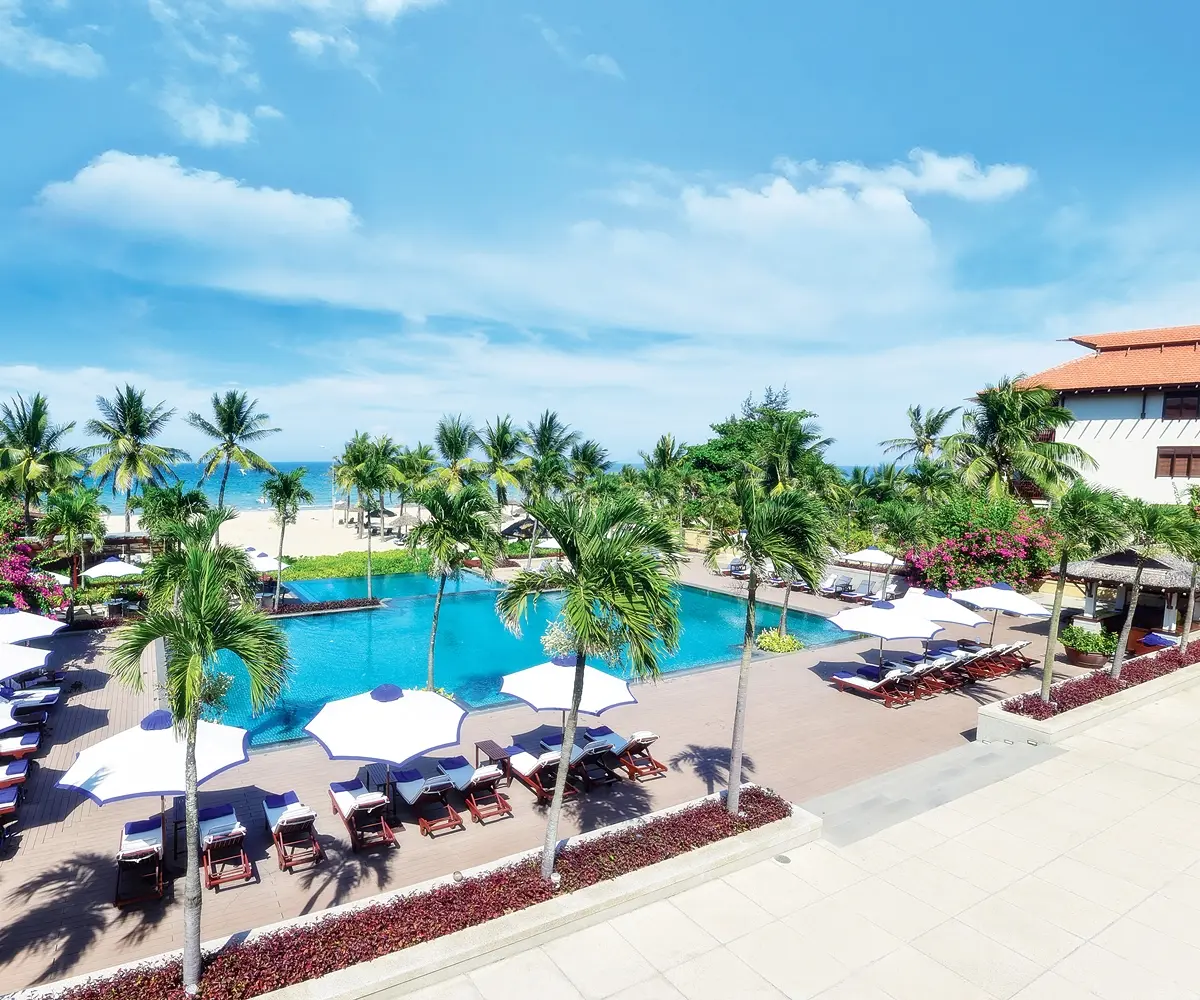
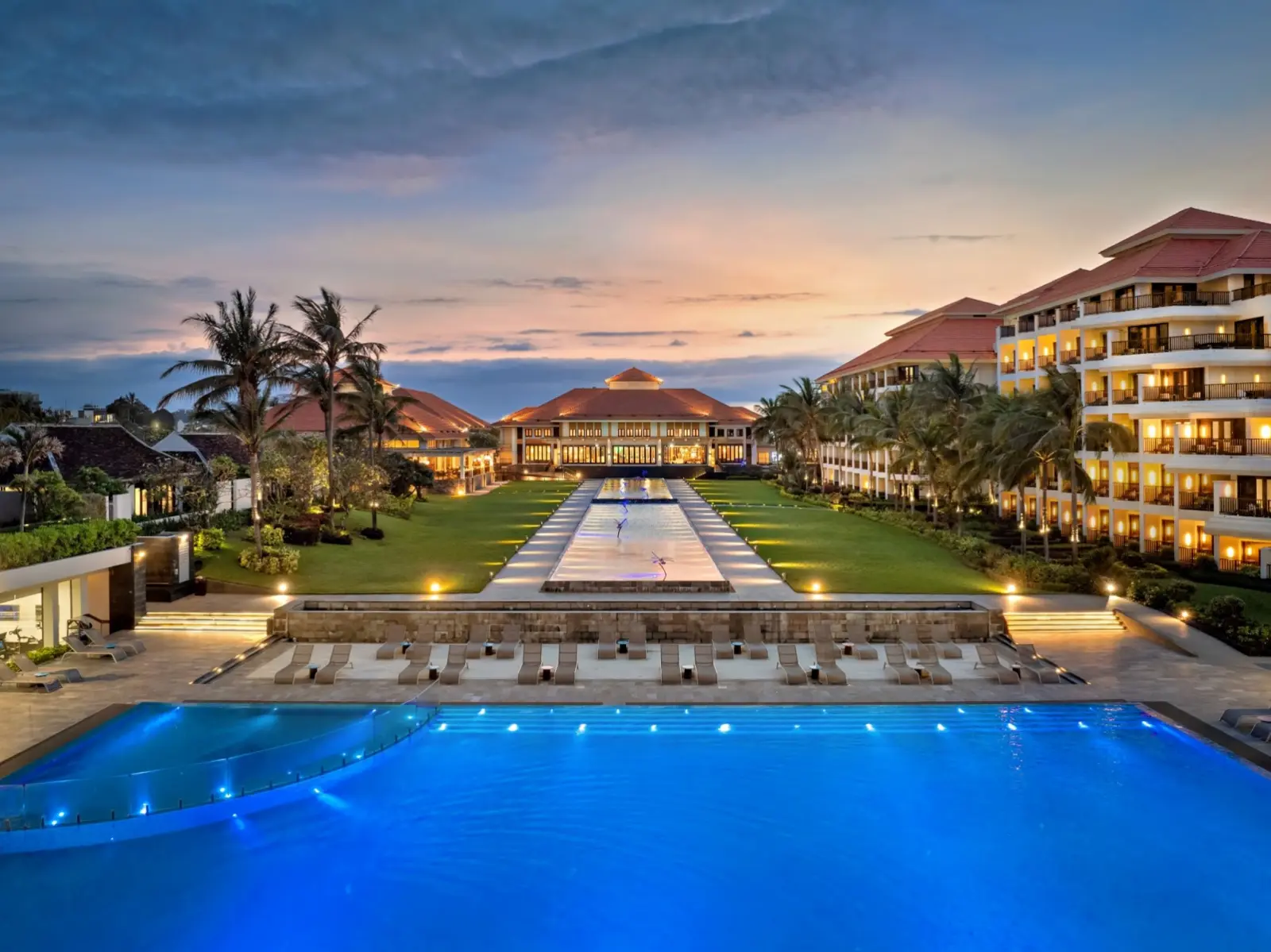
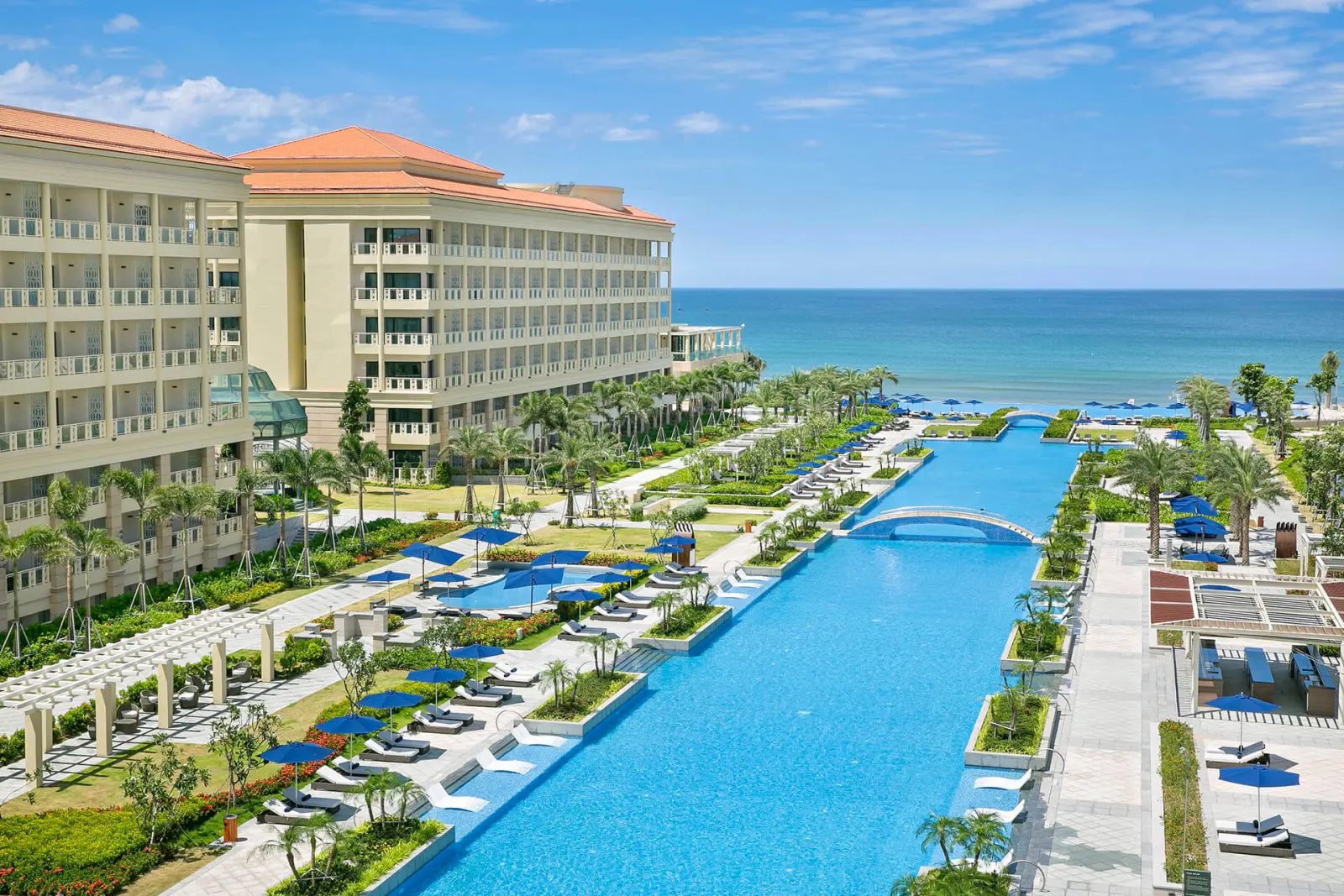
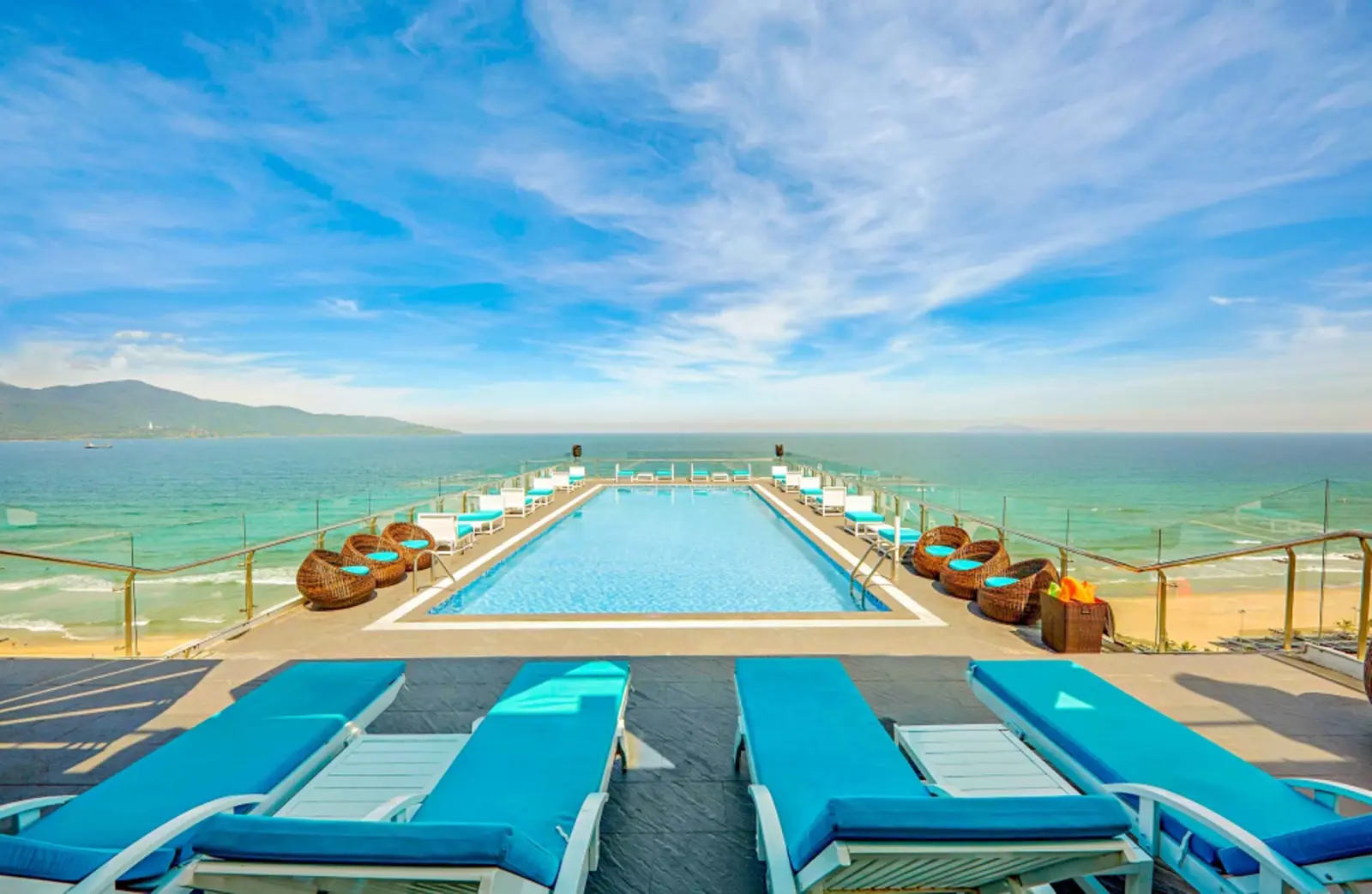
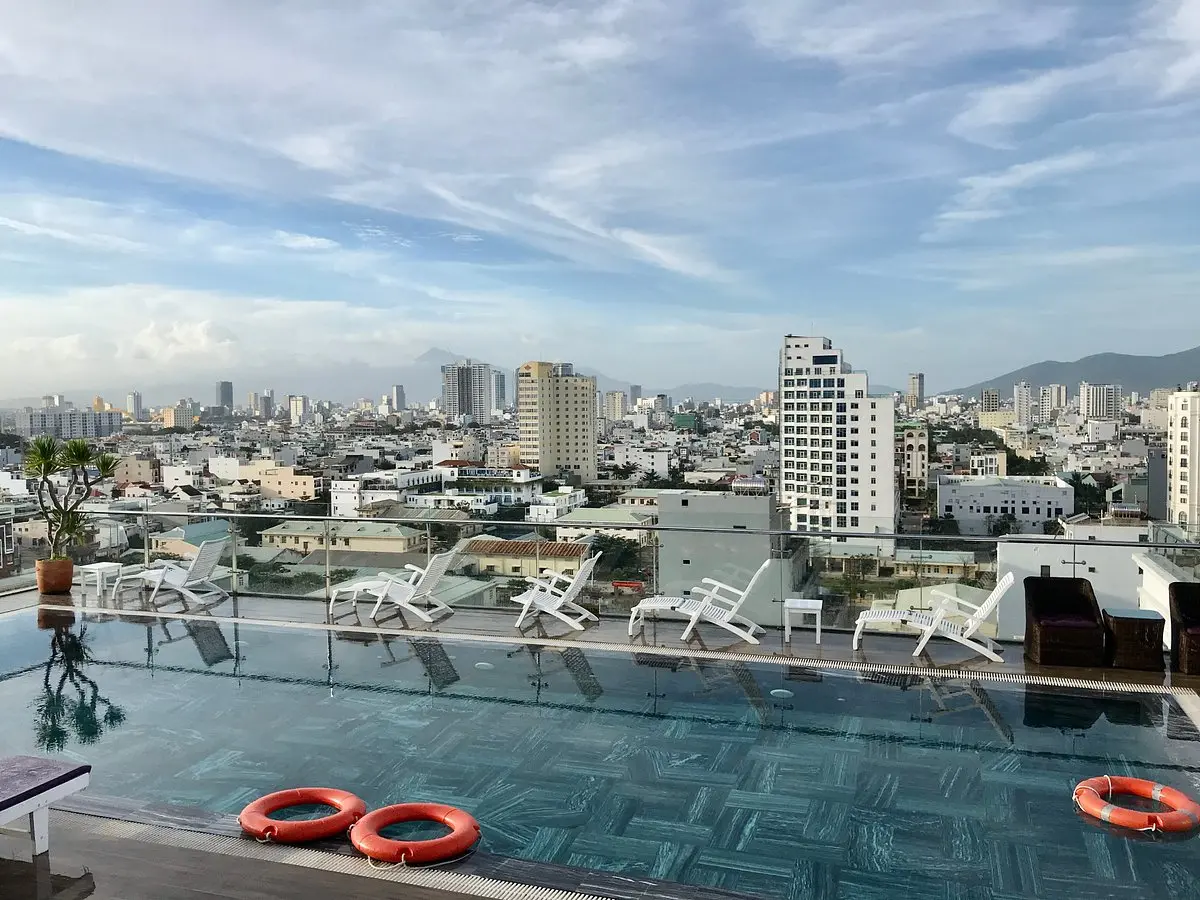
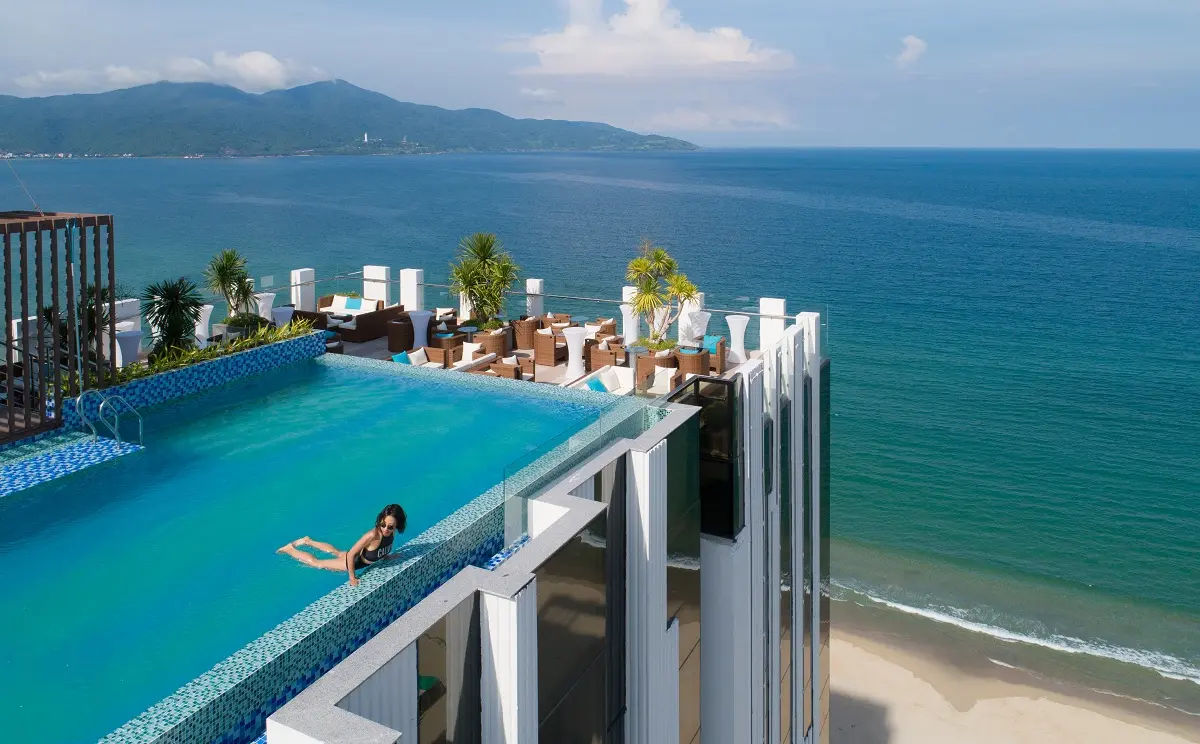
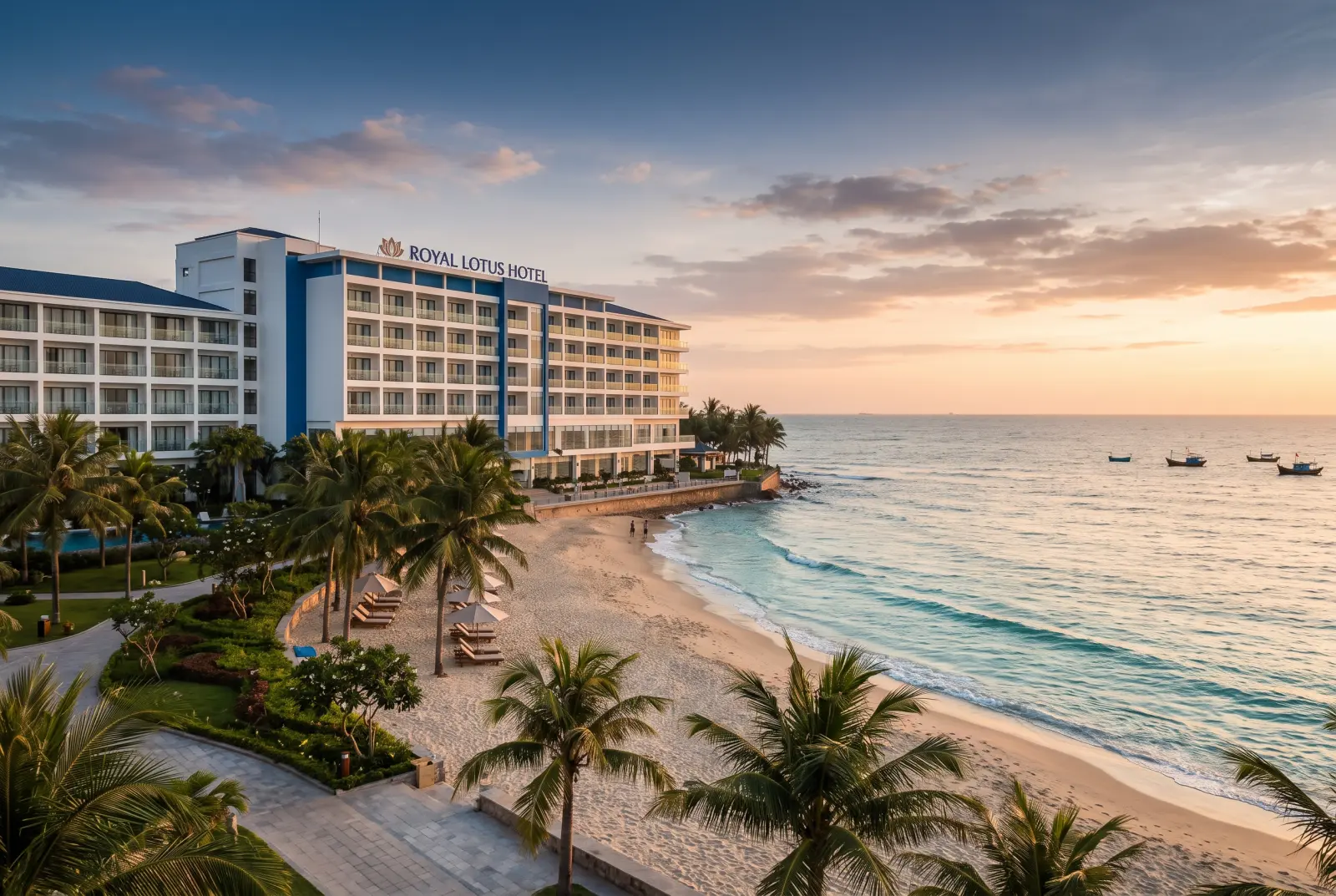
The city's main beach is My Khe: a long sandy strip along the eastern edge that stretches towards Hoi An and is lined with high-rise hotels and resorts. It is convenient to base a holiday in Da Nang right here: the sea is nearby, while the centre, bridges and airport are within a short trip. To the north of the city lies the protected Son Tra Peninsula with Linh Ung Pagoda — the city plans to develop spiritual and ecological tourism there.
How to get to Da Nang from Tashkent
Da Nang International Airport (DAD) is about 3 km southwest of the city centre — around 10 minutes by car. It has frequent domestic flights to Hanoi and Ho Chi Minh City, and the list of international destinations is growing: Seoul, Bangkok, Singapore, Kuala Lumpur, Hong Kong, Taipei, Tokyo. The source data does not include direct flights from Tashkent, so the route is usually built with a connection.
By land: the Reunification Express train passes through the city (about 2.5 hours to Hue), as do buses from various regions of Vietnam and Laos. Da Nang sits on National Route 1, 764 km south of Hanoi and 964 km north of Ho Chi Minh City.
It is convenient to get around the city by Grab (there is a dedicated pickup point at the airport), by Mai Linh, Vinasun and Song Han taxis, as well as inexpensive motorbike taxis. The city has 19 air-conditioned bus routes with a single city fare; buses No. 6 and No. 10 connect the airport with the centre and My Khe Beach.
How much does a holiday in Da Nang cost
Calculations are in Vietnamese dong (VND). Benchmarks from the data: a city bus ride — 8,000 VND, a taxi from the airport to the centre — about 70,000 VND, the Da Nang–Hoi An shuttle — about 130,000 VND, Grab or taxi to Hoi An — approximately 300,000–400,000 VND. According to official city tourism statistics for 2019, the average spending of one guest exceeded 3.5 million VND, while the average length of stay was 2.68 days.
Da Nang: traveller reviews and local cuisine
Da Nang is more often seen as a base city for a holiday: according to city statistics for 2019, the average length of stay here was 2.68 days — from here it is convenient to travel to Hoi An, My Son and Hue, and to spend evenings in the centre by the bridges and on the Han River embankment. A separate reason to go is the cuisine: local specialities mi quang, seafood dishes, banh xeo and bun cha ca. And Da Nang is also a city of festivals, with an annual international fireworks competition and a rapidly growing resort strip along the coast.
Holidays in Da Nang with Onyx Tour
Onyx Tour will help you find a great-value tour to Da Nang from Tashkent — with visa, flight and hotel turnkey, with hot offers and designed for a family holiday. Book your trip with Onyx Tour.
Know before you go
Destinations in Da Nang
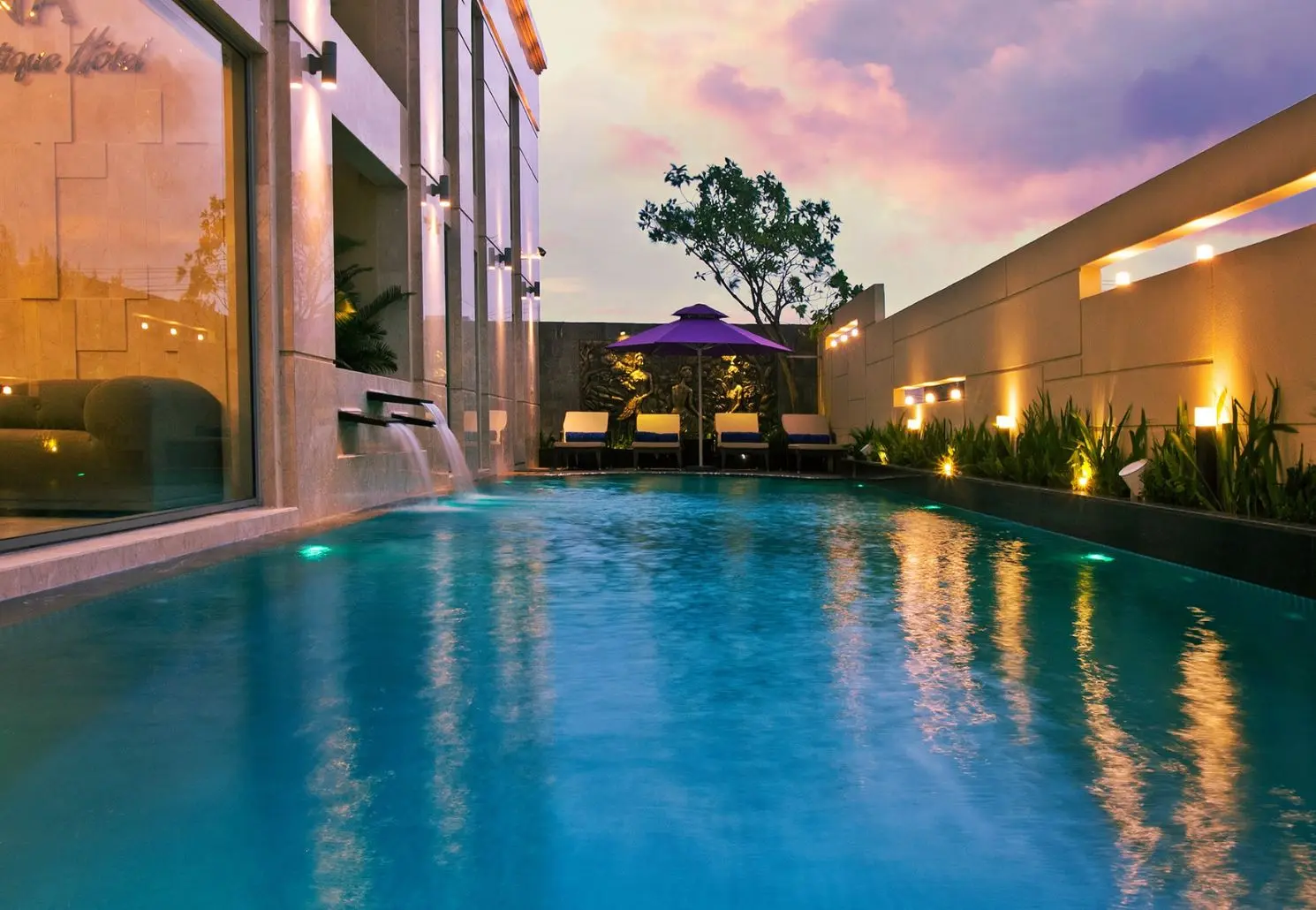
Hotels in Da Nang
Frequently asked questions
Vietnam's National Tourism Council considers March–May and September–October the best months: at this time it is warm and comfortable. If you want a dry season with a clean and calm sea, June–August will do, but it will be hot and humid (sometimes above 40 °C). Rain and typhoons occur roughly from September to December, most heavily in October–November; from November to February there are prolonged rains.