
Egypt
About the destination
Egypt is a destination where one trip gives you both history and sea: thousand-year-old pyramids and temples of the Nile Valley sit alongside the warm Red Sea. The country has 7 UNESCO World Heritage sites, and tourism is one of its leading industries: in 2024 Egypt received 15.7 million foreign tourists, and in 2025 around 19 million were reported.
What to see in Egypt: main attractions
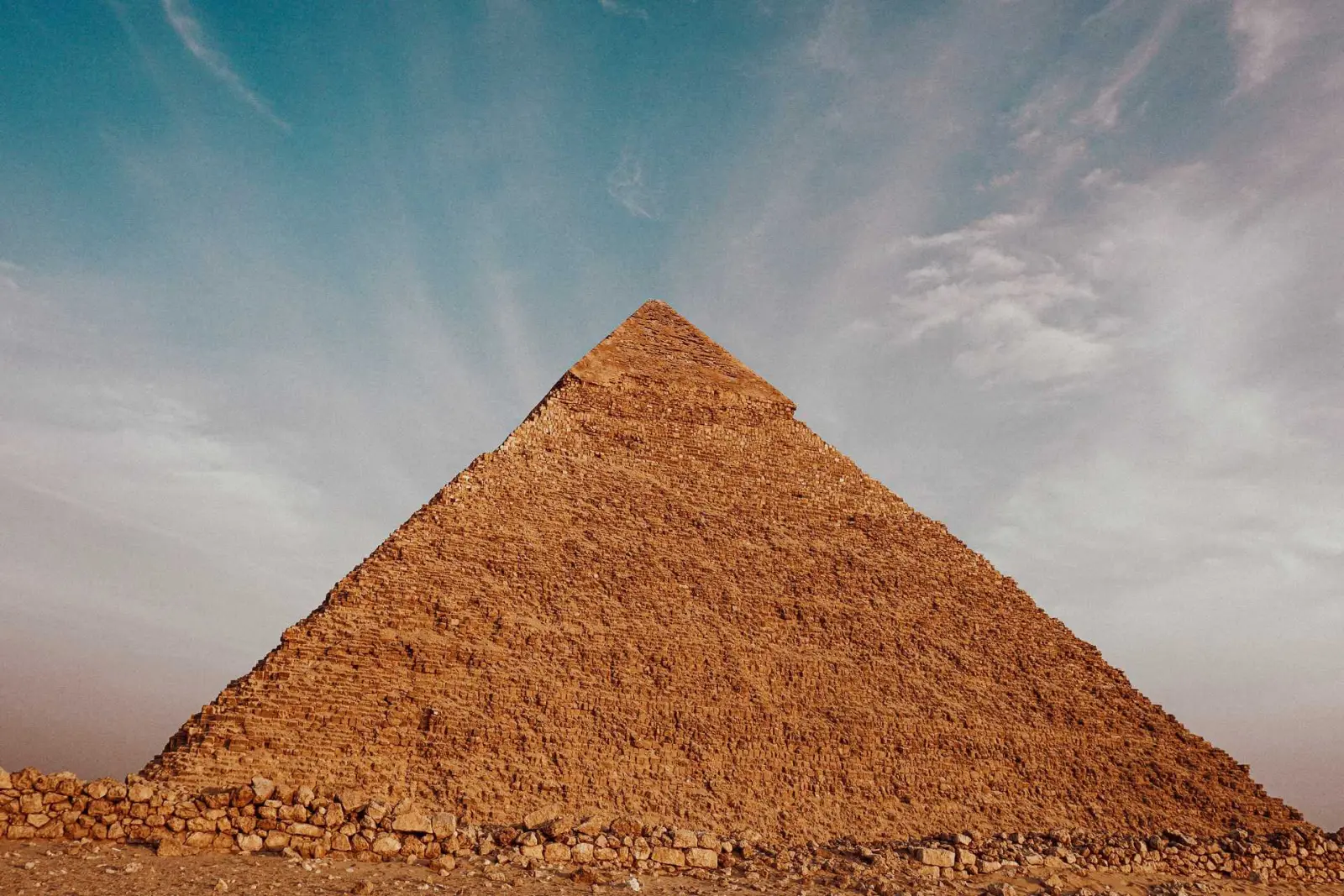
- Pyramids of Giza and the Great Sphinx — part of the UNESCO site “Memphis and its Necropolis” (1979) and the country's main symbol.
- Karnak Temple Complex in Luxor — the starting point for exploring the temples of Luxor, which Lonely Planet calls the greatest open-air museum.
- Luxor Temple — a couple of kilometres southwest of Karnak; it is best seen in the evening when the illumination is switched on.
- Valley of the Kings — a necropolis on the west bank of the Nile with the tombs of Ramesses III, Seti I and Ay (UNESCO site “Ancient Thebes”).
- Valley of the Queens — about 75 tombs around 7 km from the Valley of the Kings, including the tomb of Nefertari.
- Abu Simbel temples — Nubian monuments south of Aswan (UNESCO, 1979).
- Historic Cairo — the alleys of El-Muizz, Khan el-Khalili bazaar, Bab Zuwayla gate; a UNESCO site since 1979.
- Egyptian Museum in Cairo — in the city centre, within walking distance of the Nile.
- Red Sea diving and snorkelling — Marsa Alam near Wadi El Gemal National Park (Elphinstone and Sataya reefs), Dahab with the Blue Hole (for experienced divers only), Sharm el-Sheikh.
- Wadi al-Hitan (Valley of the Whales) in Fayoum — Egypt's only natural UNESCO site (2005), with remains of prehistoric whales; it is realistic to visit from Cairo.
- Saint Catherine area in Sinai — a UNESCO site since 2002.
- Salt lakes of Siwa Oasis — hundreds of turquoise pools in the desert; a popular swimming spot is Cleopatra's Spring.
- Sinai Trail (550 km) and Red Sea Mountain Trail (170 km near Hurghada) — hiking with local Bedouins.
- Bibliotheca Alexandrina — the main attraction of Alexandria, the country's second-largest city.
Best resorts in Egypt and affordable all-inclusive holidays
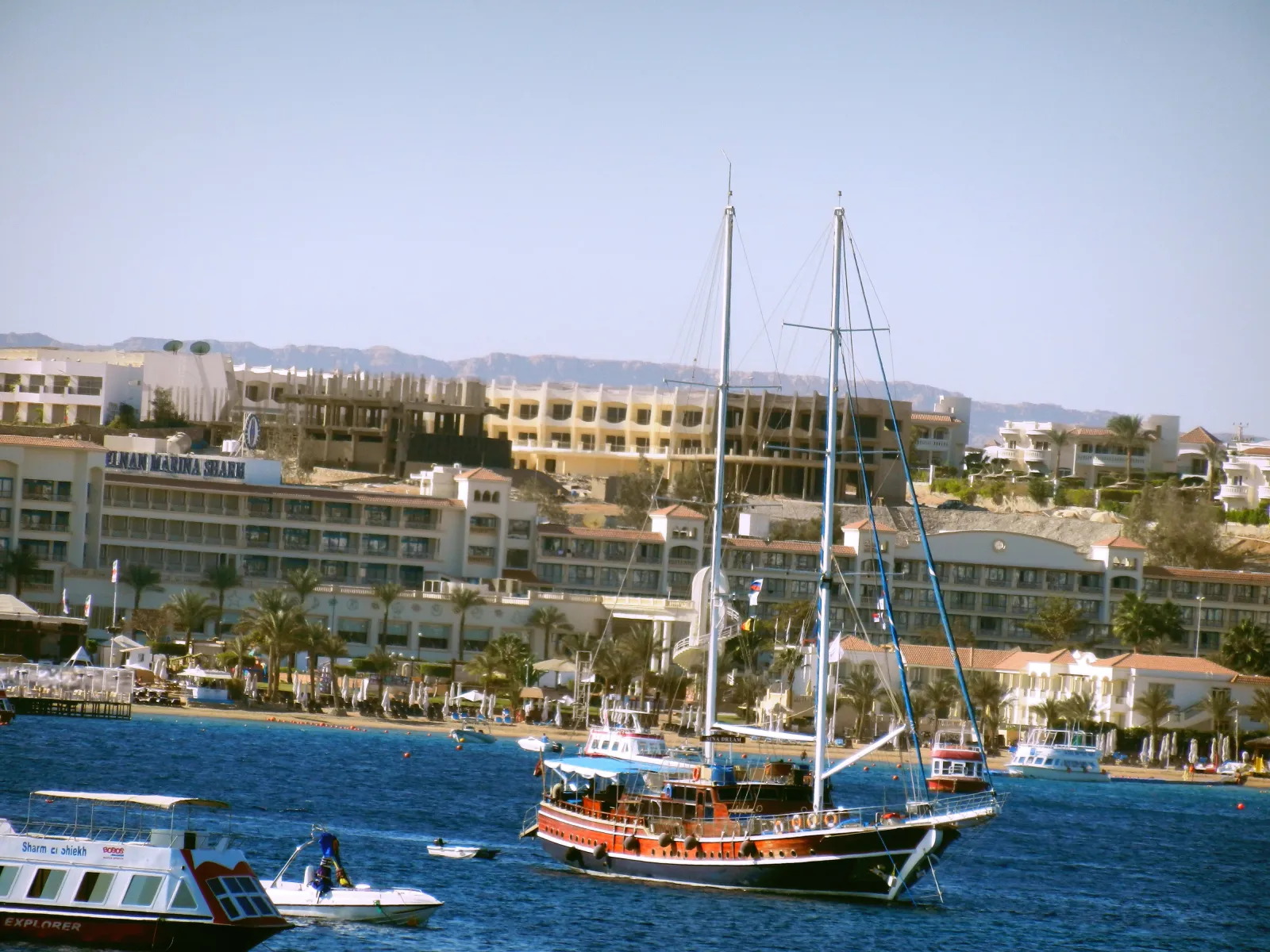
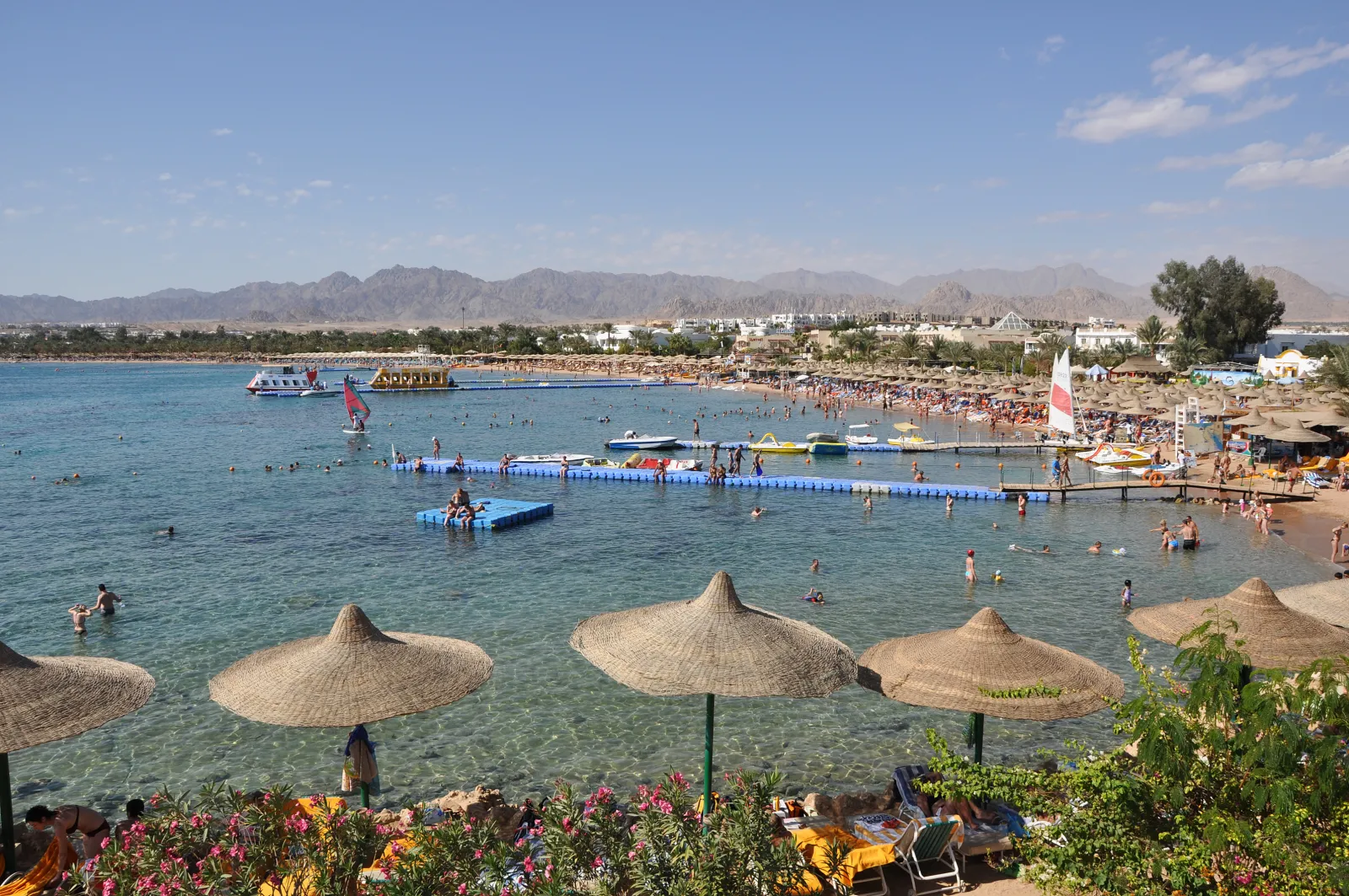
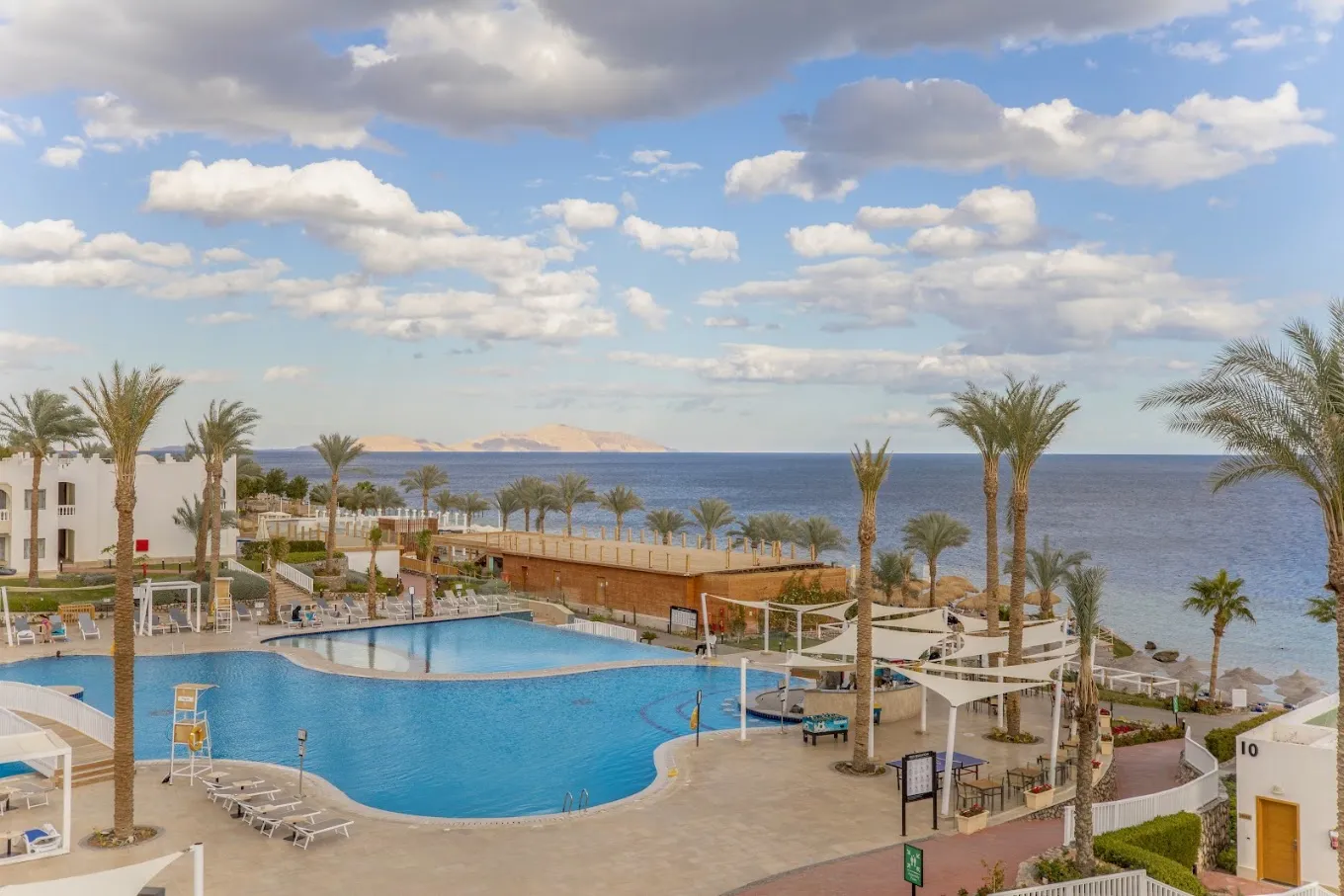
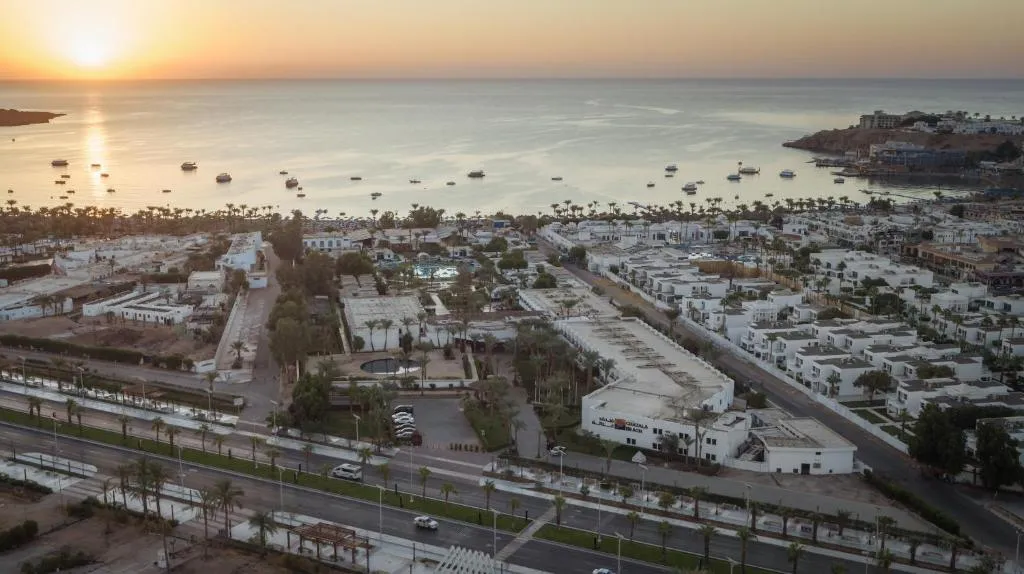
The beach part of the trip is usually built around the Red Sea: Sharm el-Sheikh, Hurghada, Marsa Alam and Dahab. Marsa Alam is notable for its proximity to Wadi El Gemal National Park with corals and abundant fish; Dahab for the Blue Hole for experienced divers; and near Hurghada runs the Red Sea Mountain Trail hiking route. The all-inclusive format is convenient for those who want to plan their budget in advance: most expenses are covered before departure.
Holidays in Egypt with children
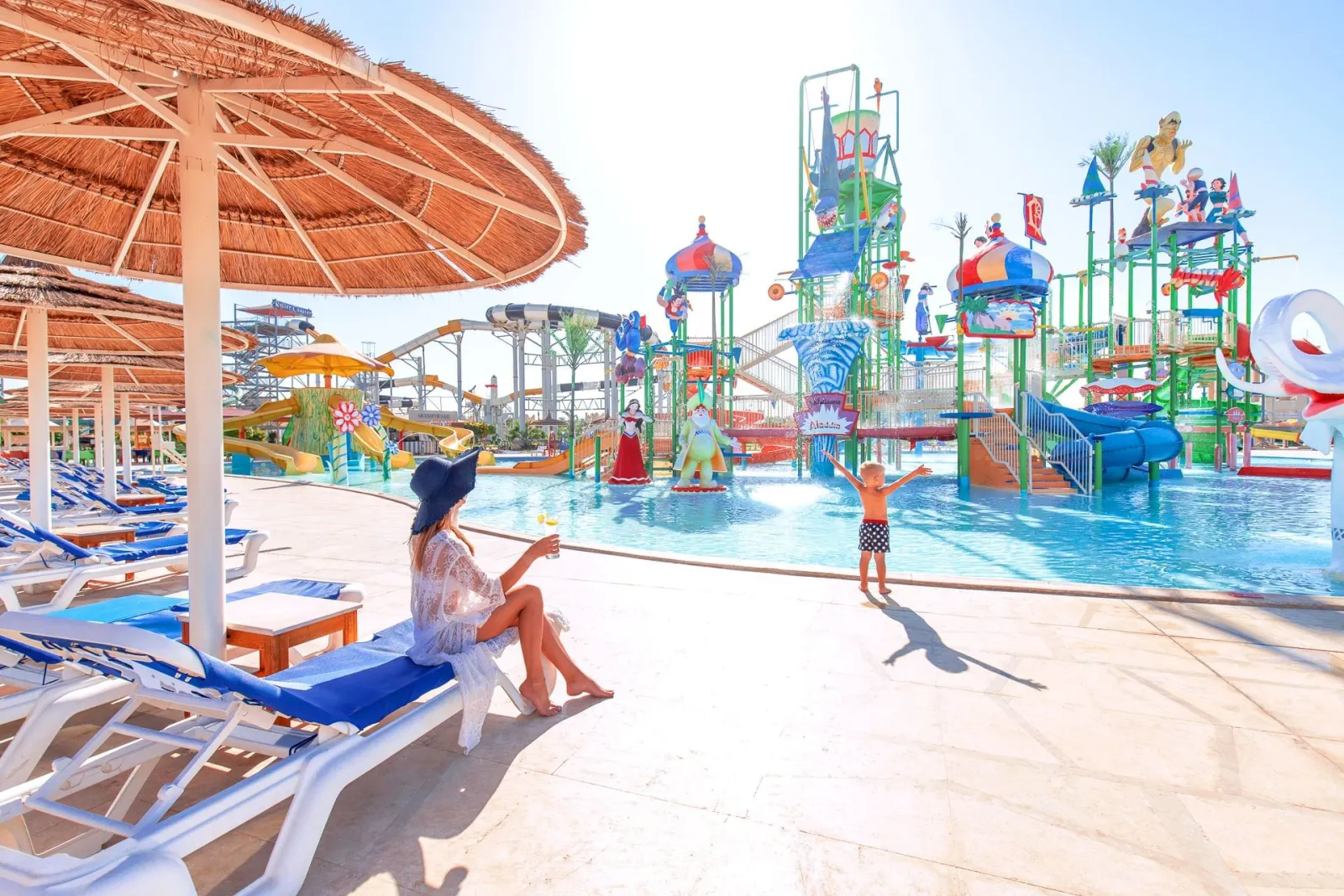
The most comfortable option for a family trip is winter, from October to February: the days are warm and clear, which is convenient both for the antiquities of Luxor and for the beaches of the Red Sea. Keep in mind that nights during this period are cool (down to about 10 °C), and rain is possible in Cairo and Alexandria. If you stay at the resorts of Sharm el-Sheikh, Dahab, Nuweiba or Taba for less than 15 days, no visa is needed. Public transport is sometimes hard to access, so with children it makes sense to hire a car with a driver through the hotel.
When is the best time to go to Egypt?
The shoulder season is March–May and September–October: fewer tourists, but May and September are still very hot, and from March sandstorms (khamsin) are possible, sometimes disrupting flights. October–February is the most popular period: clear skies and pleasant daytime temperatures, but accommodation prices peak at Christmas and New Year. June–August is very hot, but is considered the best time for diving in the Red Sea. During Ramadan, opening hours of attractions, shops and services are reduced.
What is the weather in Egypt by month?
In summer, average highs stay around 42 °C; in July the temperature ranges from about 34.7 to 43.3 °C. In winter, daytime is comfortable, but nights can be cool — down to 10 °C, and Cairo and Alexandria can have rain. In spring, remember the khamsin — a wind with sand.
How to get to Egypt from Uzbekistan?
Almost all tourists arrive by plane. The main air gateway is Cairo, but international airports are also in Alexandria, Luxor, Aswan, Hurghada, Sharm el-Sheikh and Marsa Alam: a flight to one of them can cost noticeably less than to the capital. Overland entry is possible from Israel via the Taba crossing and from Jordan by ferry between Aqaba and Taba Heights or Nuweiba; there are land crossings from Sudan.
How much does a holiday in Egypt cost?
According to Lonely Planet, a hostel bed is under 20 USD per night, a double room in a budget hotel is about 20–50 USD, lunch at a street café is about 2 USD, at a local restaurant 5–12 USD, dinner for two at an average restaurant 10–20 USD, coffee 1–3 USD, beer in a bar 2–3 USD, public transport tickets 0.20–0.50 USD. Trains are cheaper than flights: Cairo–Alexandria about 5 USD, Cairo–Luxor/Aswan about 10 USD, buses on average about 10 USD. The Cairo Pass costs 100 USD for five days of unlimited entry to the main sites of Cairo and Giza, the Luxor Pass — 100 USD (standard) or 200 USD (premium); students with proof get a 50% discount.
Where to go in Egypt for the first time?
The classic first-time route: Cairo and Giza (the pyramids, the Sphinx, the Egyptian Museum and Historic Cairo), then Luxor with Karnak, Luxor Temple and the Valley of the Kings — it is more convenient to get there by train along the Nile Valley or by the Abela overnight sleeper train, and cruises are popular between Luxor and Aswan. It makes sense to finish the trip on the Red Sea — in Hurghada or Sharm el-Sheikh, which are convenient to reach by domestic flight.
With Onyx Tour — easier and better value
Onyx Tour will help you find a great-value tour to Egypt — with visa, flights and hotel as a complete package, as well as hot deals for Red Sea resorts. Book your trip with Onyx Tour.
Know before you go
Destinations in Egypt
Tours that visit Egypt
Hotels in Egypt

Frequently asked questions
The most popular months are October to February: in winter the sky is clear and daytime temperatures are comfortable, ideal for Luxor's antiquities and the Red Sea beaches, but Cairo and Alexandria can have rain, nights are cool (down to ~10 °C), and accommodation prices peak at Christmas and New Year. The shoulder season is March–May and September–October: fewer tourists, but May and September are still very hot, and in March khamsin is possible — sandstorms that sometimes disrupt flights. June–August is very hot (average highs around 42 °C), but it is the best time for diving.