
Cam Ranh
About the destination
Cam Ranh, Vietnam: warm sea, white-sand beaches and affordable holidays
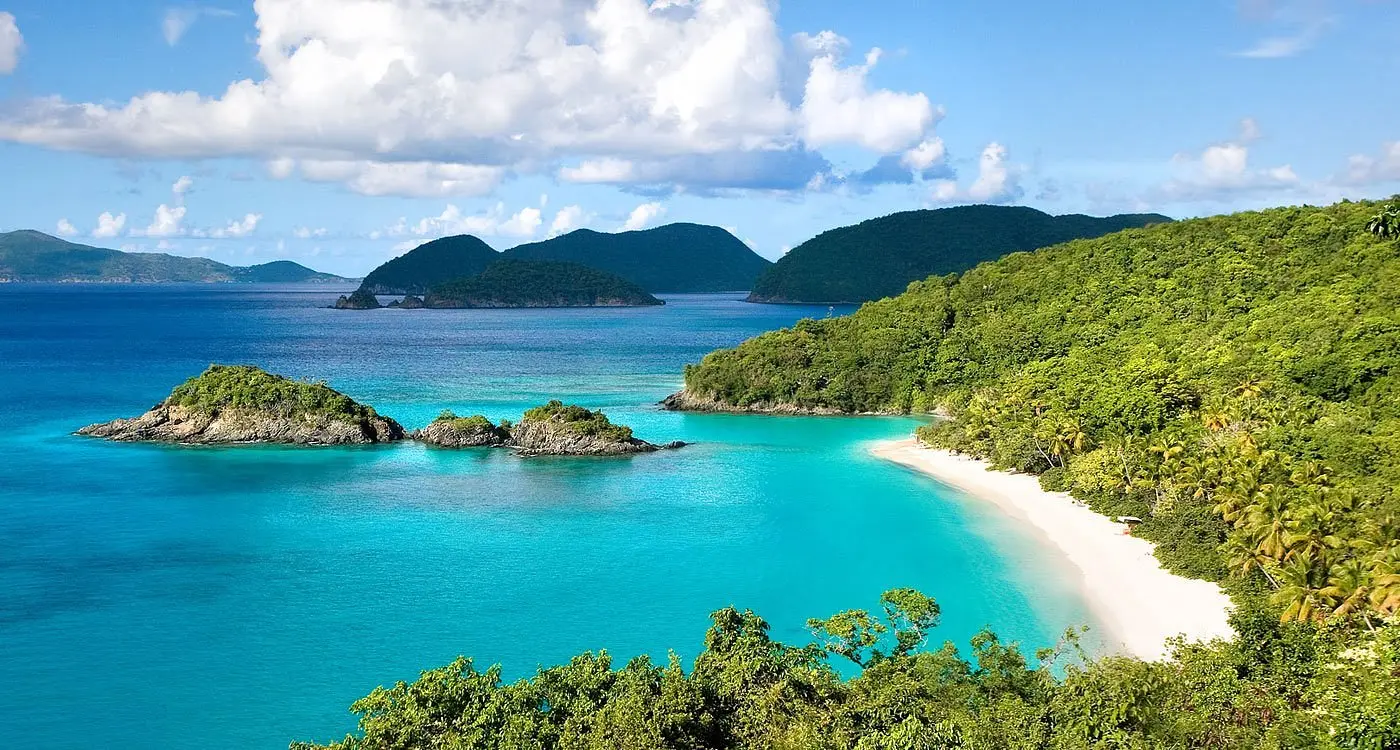
Cam Ranh is a port city in Khanh Hoa Province in south-central Vietnam, about 30 km from Nha Trang and around 290 km north-east of Ho Chi Minh City. The main reason to come here is the calm deep-water bay, the white sandy beaches and the warm sea almost all year round — and a holiday in Cam Ranh costs noticeably less than in the better-known resort centres. Cam Ranh Bay (Vịnh Cam Ranh) is considered the finest deep-water anchorage in South-East Asia: the narrow continental shelf brings deep water close to the shore, so it stays calm even in a storm.
The second plus is Cam Ranh Airport (CXR/VVCR): the fourth busiest in Vietnam and the country's most "international". In 2018, 70% of its passengers were on international flights, and in 2019 the airport handled 9,747,172 passengers. Terminal 2 for international flights opened in 2018 — its architecture echoes a swiftlet's nest and the waves of Nha Trang Bay.
What to see in Cam Ranh: the main attractions
- Cam Ranh Bay (Vịnh Cam Ranh) — a deep-water bay of the South China Sea between Phan Rang and Nha Trang. Because the deep water lies so close, it is called the best shelter in South-East Asia for ships waiting out bad weather.
- Binh Ba Island (Đảo Bình Ba) — an island of just over 3 km² in Cam Ranh Bay, about 15 km east of Ba Ngoi port, home to almost 5,000 people. It is known as "Vietnam's Maldives" and "lobster island": the white-sand beaches of bãi Chướng, bãi Nồm and bãi Nhà Cũ, traces of the war years, the Ngũ Hành temple and the communal house of Binh Ba village.
- Binh Lap / Cam Lap beach — a stretch of shore in Nam Cam Ranh commune and one of the corners of Khanh Hoa still untouched by tourists, part of the "Bình four" (Tứ Bình) — along with Binh Hung island, Binh Tien and Binh Ba island.
- Former military sites — Cam Ranh Air Base, opened in 1965, and a major US logistics base during the Vietnam War, later a Soviet and Russian naval base (1979–2002). The surviving buildings and the peninsula's military landscape are of particular interest to history lovers.
- Bai Dai Beach (Long Beach) — a long strip of sand north of Cam Ranh, in neighbouring Cam Lam district, next to the airport; it is this stretch that the Cam Ranh–Cam Lam resort area is associated with.
Cam Ranh: beaches and sea
You can swim here almost all year round: average temperatures stay in the 24–29 °C range, and the dry months from December to August offer the most sunshine. The white-sand beaches of Binh Ba island, the shores of Binh Lap and Cam Lap and the long stretch of Bai Dai are good both for relaxing by the water and for walks. The islands and beaches in the bay are reached by boat from the mainland — Binh Ba, for example, lies about 15 km east of Ba Ngoi port.
When is the best time to go to Cam Ranh?
Cam Ranh has a tropical savanna climate (Köppen Aw), and temperatures barely change through the year, so it is the rain rather than the heat that should guide your dates. The dry, sunny period lasts roughly from December to August: February sees only about 10 mm of rain. The wet season runs from September to December, peaking in October (248.8 mm) and November (319.6 mm), when it rains on 15–16 days a month.
What is the weather in Cam Ranh like by month?
- December–August — the most comfortable months for the beach: dry, sunny and warm, with the least rain in February.
- September–December — the rainy season, with October and November the wettest months.
- Temperatures all year round — 24–29 °C on average, with no sharp swings.
- Over the year as a whole — about 1,324 mm of rain across roughly 106 rainy days and around 2,641 hours of sunshine.
How to get to Cam Ranh
Most travellers fly into Cam Ranh Airport (CXR/VVCR) — it sits right by the bay, 30 km (16 nautical miles) from Nha Trang. Flights are operated by Vietnamese airlines and international carriers from South Korea, China, Kazakhstan, Malaysia and many Russian cities, including Aeroflot, Azur Air, Ikar and others.
By land, Khanh Hoa Province lies on the country's main transport corridors: National Highway 1 and the North–South railway run through it, and the main station on the line is Nha Trang. Cam Ranh itself has the port district of Ba Ngoi; Cam Ranh International Port (Cảng quốc tế Cam Ranh) opened on 8 March 2016 on the site of a former military base — it handles vessels of up to 110,000 DWT and cruise liners of up to 100,000 GRT.
How do you get from Cam Ranh Airport to Nha Trang?
The journey takes about 45–60 minutes, and airport rates are fixed: a 4-seat taxi is 300,000 dong, a 7-seat taxi 360,000 dong, GSM (4 seats) 350,000 dong, GSM Premium 400,000 dong one way. A private car will cost 350,000–500,000 dong, while public buses (Dat Moi and Vinbus, route 18) cost 50,000 dong per person and take about 50–60 minutes from central Nha Trang. Prices may depend on the time of day, so it is worth confirming the fare with the driver. There is 24-hour parking in front of the terminals.
Cam Ranh: hotels and prices
The resort development stretches along Bai Dai Beach (Long Beach) in the Cam Lam area, next to the airport — it is this strip of beaches that the Cam Ranh–Cam Lam resort zone is linked to. The islands and beaches in the bay, including Binh Ba, can be reached by boat from the mainland.
How much does a holiday in Cam Ranh cost?
All figures are in Vietnamese dong (VND). On 28 February 2026, one US dollar was worth about 26,045 dong, and the largest banknote in circulation is 500,000 dong. Among the confirmed costs: an airport transfer to Nha Trang from 300,000 dong, a bus at 50,000 dong per person, airport parking from 9,000 dong for the first 30 minutes for vehicles of up to 9 seats. Specific hotel prices are not given in the sources — it is best to check them when booking.
Holidays in Cam Ranh with Onyx Tour
Onyx Tour will help you find a great-value trip to Cam Ranh — with visa, flights and hotel arranged as a complete package — and will also point you to current hot deals for a family holiday. Book your trip with Onyx Tour.
Know before you go
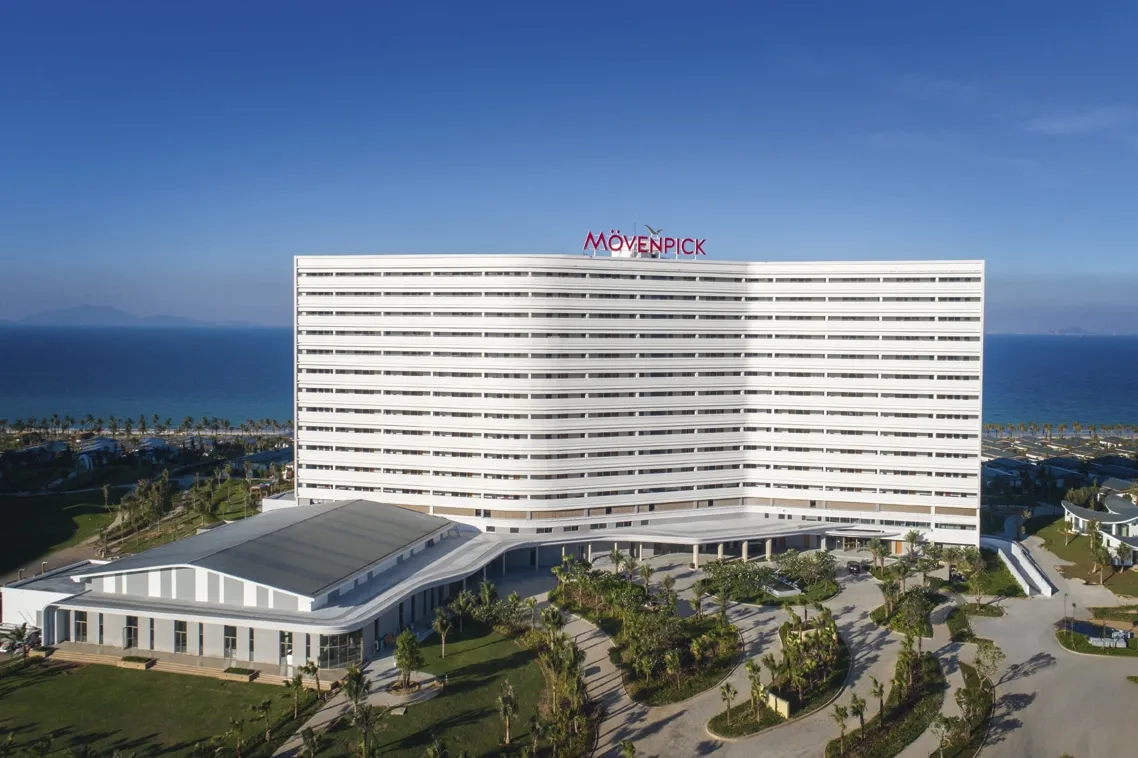
Hotels in Cam Ranh

Frequently asked questions
The dry, sunny months from roughly December to August are best — February sees only about 10 mm of rain. Temperatures stay around 24–29 °C all year round, so it is the rain you should plan around. The wet season runs from September to December, peaking in October (248.8 mm) and November (319.6 mm), when it rains on roughly 15–16 days a month.